I optimize intelligence.

Yangyang Li portrait

Massachusetts Institute of Technology

B.S. in Computer Science, Economics & Data Science (6-14)

and Business Analytics (15-2)

Yangyang (Annie) Li

Anniething is possible.


Hi! I’m Yangyang (Annie) Li, a senior at the Massachusetts Institute of Technology. My research spans distributionally robust learning, Bayesian optimization, reinforcement learning, adaptive control, and LLM-guided decision-making, with applications to autonomous robots, underwater sensing, and human-centered AI. I am broadly motivated by building intelligent systems that learn, reason, and act reliably under real-world uncertainty. Along with research, in the past few years I've earned a few awards, such as Bain Cup Finalist, Regeneron STS Scholar, MSEF 2nd Place, Google Code Jam Top 1000. Welcome to my website.

I recently led a project all by myself called DRO-InstructZero, a distributionally robust Bayesian-optimization framework for Large Language Models that explicitly maximizes worst-case reliability under domain shift. This work is currently under review at ICLR with a promising score and feedback.

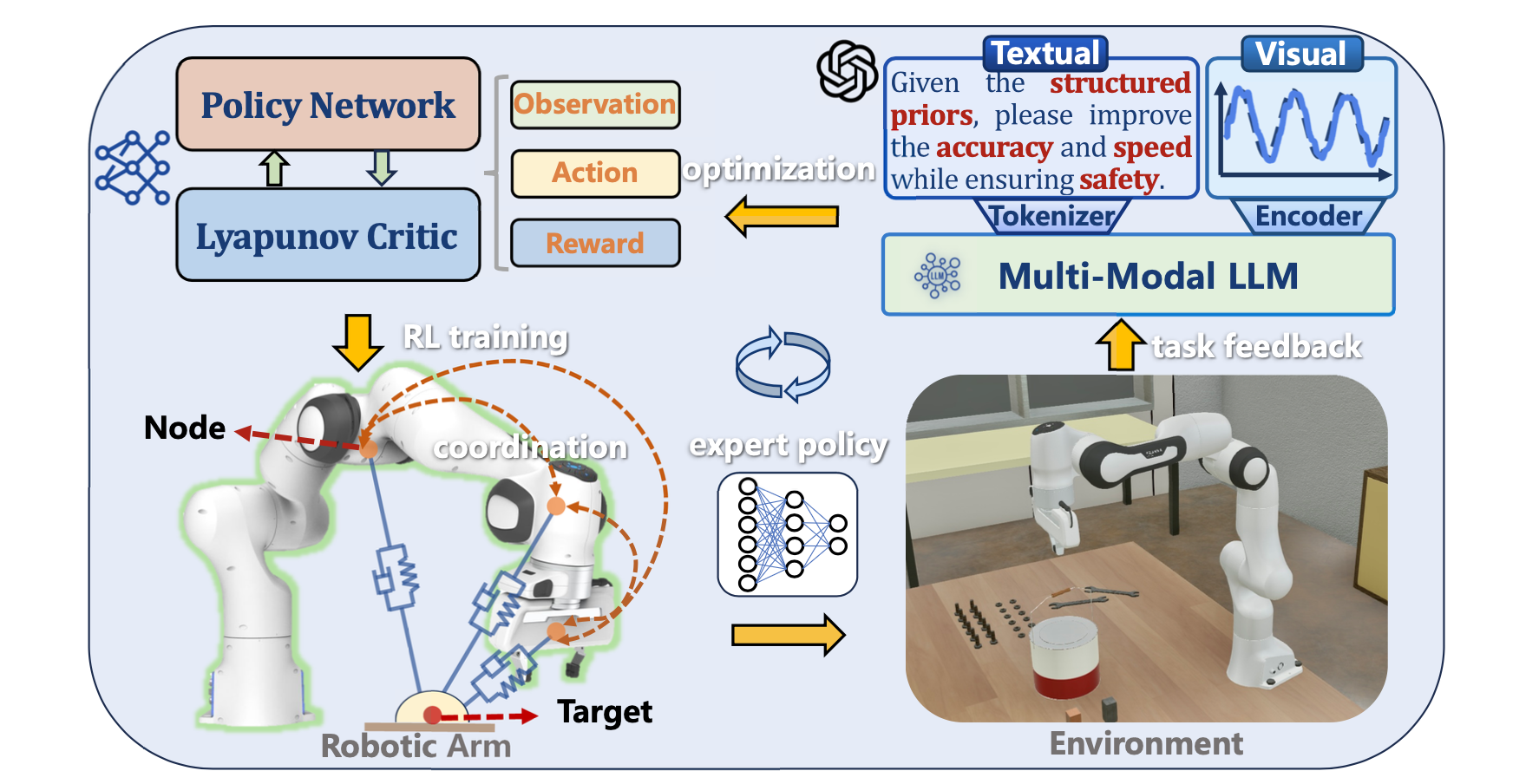
In parallel, I am co-first author on Adaptive Virtual Model Control with LLM- and Lyapunov-based Reinforcement Learning, recently submitted to ICASSP 2026. The study combines large-language-model guidance with Lyapunov-constrained RL to achieve physically interpretable yet stability-guaranteed robotic control—demonstrating that semantic reasoning from LLMs can enable autonomous decision-making in real-time machine control.

With experience across research and competition settings, my goal is to build autonomous, adaptive, and trustworthy embodied AI systems that can reason about the world and remain reliable under uncertainty. I believe that robotics and distributionally robust optimization hold transformative potential: together, they offer a path toward solving some of the most complex and consequential challenges in intelligent decision-making.

Selected Publications & Preprints

DRO-InstructZero thumbnail

DRO-InstructZero: Distributionally Robust Bayesian Optimization for Large Language Models

Yangyang Li

ICLR, 2026 (under review)

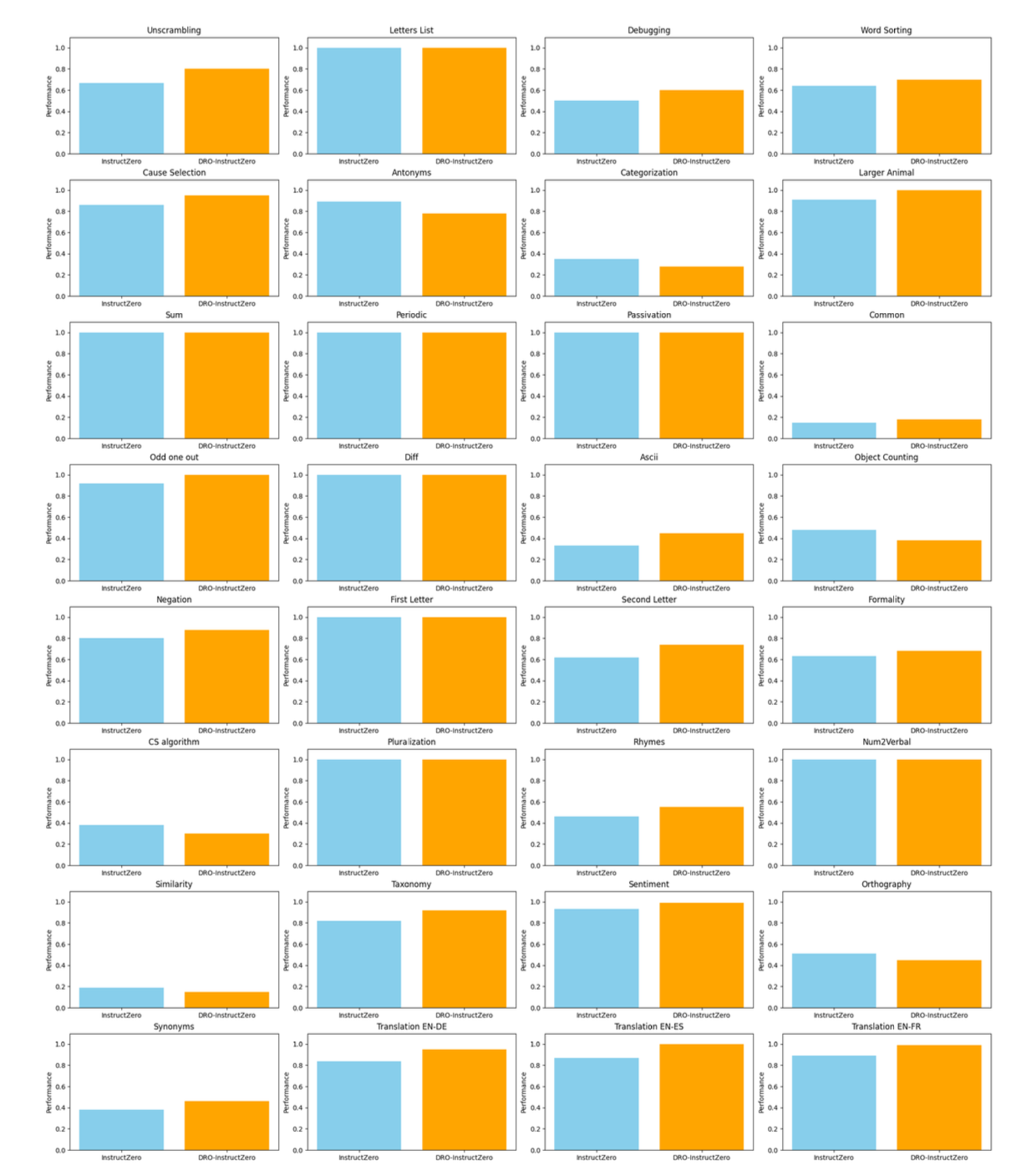
Large language models are highly sensitive to prompt wording. However, popular automatic prompt search methods, including InstructZero, often degrade under distribution shift and adversarial evaluation because they optimize expected performance under a single evaluation distribution. Consequently, prompts that work in one setting frequently fail to transfer. To address this, DRO-InstructZero formulates zero-shot prompt optimization as robust Bayesian optimization. Specifically, an f-divergence ball defines an ambiguity set around the evaluation distribution, and a robust acquisition rule maximizes worst-case expected utility while retaining the query efficiency of Bayesian search. Therefore, the search explicitly targets reliability under distribution shift rather than average behavior alone. Experiments follow the instruction-induction protocol with matched query budgets across formality rewriting, code debugging, and translation. For example, on BIG-Bench informative-to-formal rewriting, accuracy improves from 61.3 ± 0.7% to approximately 85–90%, yielding an absolute gain of about 25–30 points. Moreover, auto-debugging shows about +25-point gains under domain shift. Meanwhile, stable tasks such as cause-and-effect remain above 96%, indicating no loss on in-distribution cases. Furthermore, improvements are consistent across divergence choices and decoding temperatures. Overall, DRO-InstructZero connects distributionally robust optimization with prompt learning, offering a plug-and-play and general approach for reliable, transferable prompt alignment under real-world uncertainty.
Adaptive Virtual Model Control thumbnail

NEVER TOO RIGID TO REACH: ADAPTIVE VIRTUAL MODEL CONTROL WITH LLM-AND LYAPUNOV-BASED REINFORCEMENT LEARNING

Yangyang Li*, Jingzehua Xu*, Yangfei Chen, Guanwen Xie, Shuai Zhang

ICASSP, 2026 (under review)

Robotic arms are increasingly deployed in uncertain environments, yet conventional control pipelines often become rigid and brittle when exposed to perturbations or incomplete information. Virtual Model Control (VMC) enables compliant behaviors by embedding virtual forces and mapping them into joint torques, but its reliance on fixed parameters and limited coordination among virtual components constrains adaptability and may undermine stability as task objectives evolve. To address these limitations, we propose Adaptive Virtual Model Control with LLM and Lyapunov-Based Reinforcement Learning (RL), which preserves the physical interpretability of VMC while supporting stability-guaranteed online adaptation. Large language models (LLMs) provide structured priors and high-level reasoning that enhance coordination among virtual components, improve sample efficiency, and facilitate flexible adjustment to varying task requirements. Complementarily, Lyapunov-based RL enforces theoretical stability constraints, ensuring safe and reliable adaptation under uncertainty. Extensive simulations on a 7-DoF Panda arm demonstrate that our approach effectively balances competing objectives in dynamic tasks, achieving superior performance while highlighting the synergistic benefits of LLM guidance and Lyapunov-constrained adaptation.

LLM Fuzzy Control Model Control thumbnail

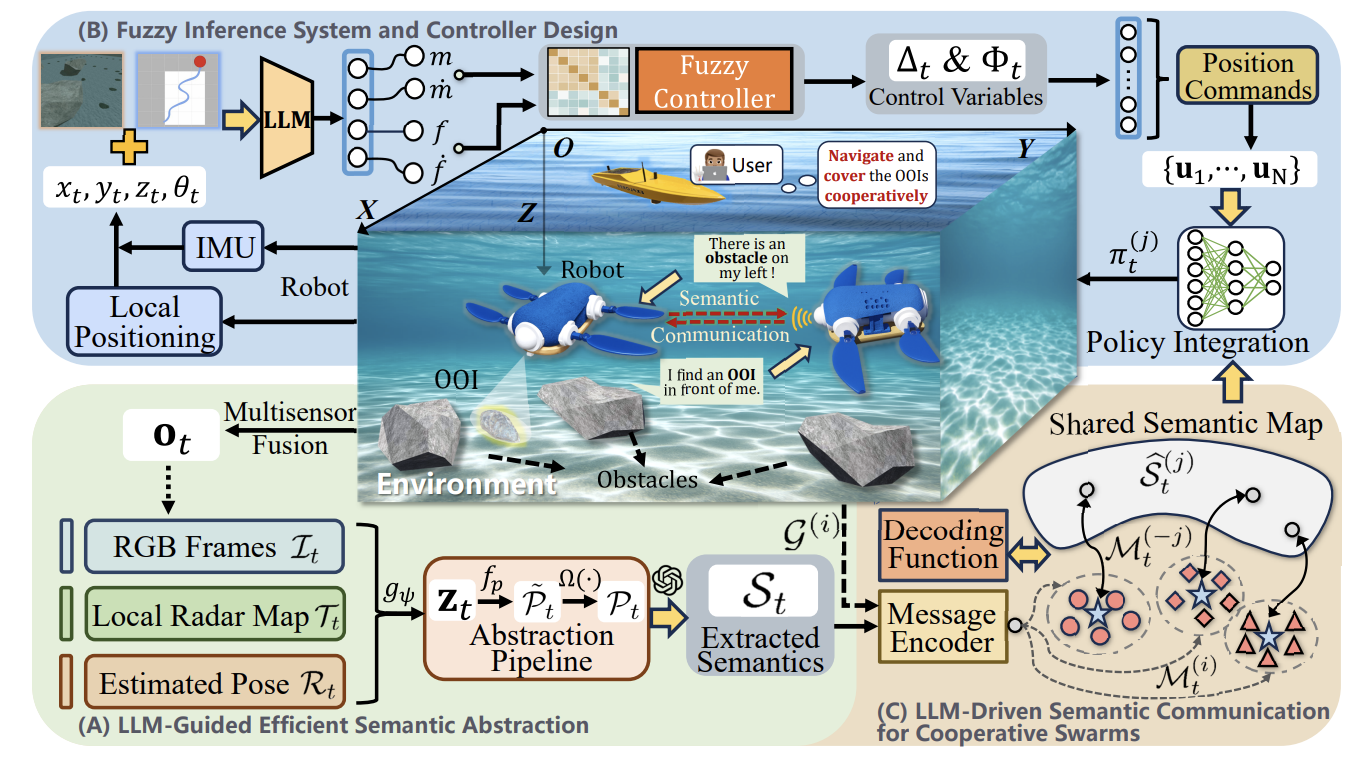
When Semantics Connect the Swarm: LLM-Driven Fuzzy Control for Cooperative Multi-Robot Underwater Coverage

Yangyang Li*, Jingzehua Xu*, Weihang Zhang*,Hongmiaoyi Zhang, Guanwen Xie, Jiwei Tang, Shuai Zhang, Yi Li

TMC, 2026 (under review)

Underwater multi-robot cooperative coverage remains challenging due to partial observability, limited communication, environmental uncertainty, and the lack of access to global localization. To address these issues, this paper presents a semantics-guided fuzzy control framework that couples Large Language Models (LLMs) with interpretable control and lightweight coordination. Raw multimodal observations are compressed by the LLM into compact, human-interpretable semantic tokens that summarize obstacles, unexplored regions, and Objects Of Interest (OOIs) under uncertain perception. A fuzzy inference system with pre-defined membership functions then maps these tokens into smooth and stable steering and gait commands, enabling reliable navigation without relying on global positioning. Then, we further coordinate multiple robots by introducing semantic communication that shares intent and local context in linguistic form, enabling agreement on who explores where while avoiding redundant revisits. Extensive simulations in unknown reef-like environments show that, under limited sensing and communication, the proposed framework achieves robust OOI-oriented navigation and cooperative coverage with improved efficiency and adaptability, narrowing the gap between semantic cognition and distributed underwater control in GPSdenied, map-free conditions

The Impact of Medicaid on Mental Health thumbnail

The Impact of Medicaid Coverage on Mental Health, Why Insurance Makes People Happier in OHIE: by Spending Less or by Spending More?

Yangyang Li

GlobeHeal, 2025

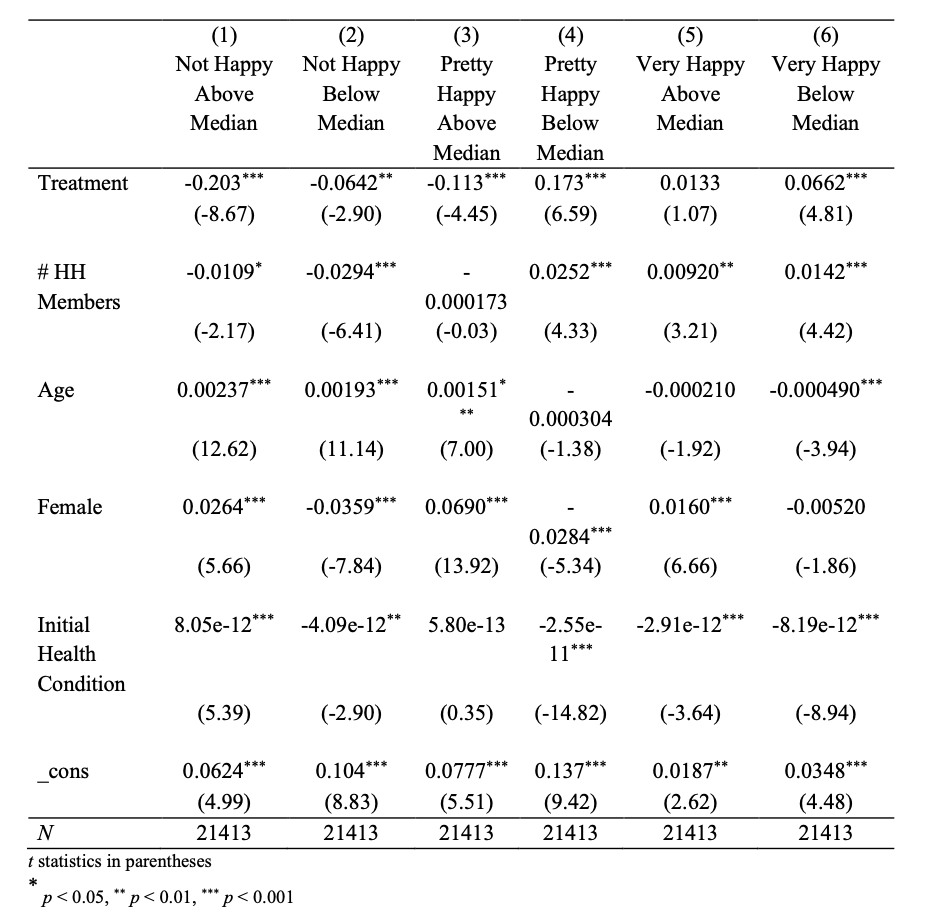
The Oregon Health Insurance Experiment (OHIE) offers a unique opportunity to examine the causal relationship between Medicaid coverage and happiness among low-income adults, using an experimental design. This study leverages data from comprehensive surveys conducted at 0 and 12 months post-treatment. Previous studies based on OHIE have shown that individuals receiving Medicaid exhibited a significant improvement in mental health compared to those who did not receive coverage. The primary objective is to explore how Medicaid coverage impacts happiness, specifically analyzing in which direction do variations in healthcare spending significantly improve mental health: higher spending or lower spending after Medicaid. Utilizing instrumental variable (IV) regression, I conducted six separate regressions across subgroups categorized by expenditure levels and happiness ratings, and the results reveal distinct patterns. Enrolling in OHP has significantly decreased the probability of experiencing unhappiness, regardless of whether individuals had high or low medical spending. Additionally, it decreased the probability of being pretty happy and having high medical expenses, while increasing the probability among those with lower expenses. Concerning the probability of being very happy, the OHP only had a positive effect on being very happy and spending less, and its effect on those with high expenses was insignificant. These findings align with the benefit of Medicaid: alleviating financial burden, contributing to the well-being of distinct subgroups.

Robust Hybrid Word Embedding Classification thumbnail

A Robust Classification Method using Hybrid Word Embedding for Early Diagnosis of Alzheimer’s Disease

Yangyang Li

ACAI, 2021

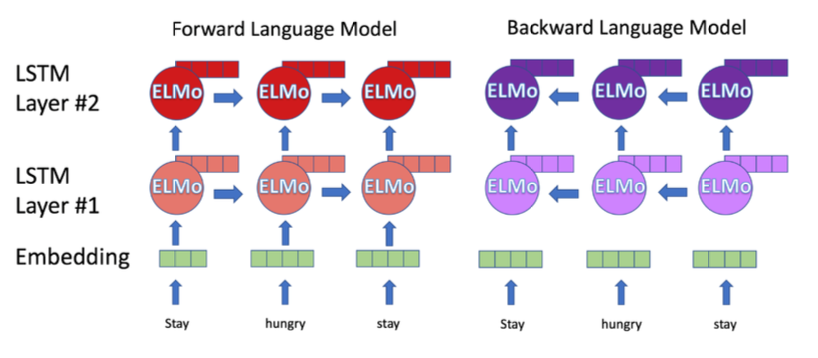
Early detection of Alzheimer’s Disease (AD) is greatly beneficial to AD patients, leading to early treatments that lessen symptoms and alleviating financial burden of health care. As one of the leading signs of AD, language capability changes can be used for early diagnosis of AD. In this paper, I develop a robust classification method using hybrid word embedding and fine-tuned hyperparameters to achieve state-of- the-art accuracy in the early detection of AD. Specifically, we create a hybrid word embedding based on word vectors from Doc2Vec and ELMo to obtain perplexity scores of the sentences. The scores identify whether a sentence is fluent or not and capture semantic context of the sentences. I enrich the word embedding by adding linguistic features to analyze syntax and semantics. Further, we input an embedded feature vector into logistic regression and fine tune hyperparameters throughout the pipeline. By tuning hyperparameters of the machine learning pipeline (e.g., model regularization parameter, learning rate and vector size of Doc2vec, and vector size of ELMo), I achieve 91% classification accuracy and an Area Under the Curve (AUC) of 97% in distinguishing early AD from healthy subjects. Based on my knowledge, my model with 91% accuracy and 97% AUC outperforms the best existing NLP model for AD diagnosis with an accuracy of 88% [32]. I study the model stability through repeated experiments and find that the model is stable even though the training data is split randomly (standard deviation of accuracy = 0.0403; standard deviation of AUC = 0.0174). This affirms our proposed method is accurate and stable. This model can be used as a large-scale screening method for AD, as well as a complementary examination for doctors to detect AD.

Business Plan for Autonomous Delivery Robot thumbnail

Business Plan for Autonomous Delivery Robot

Yangyang Li

ICA, 2021

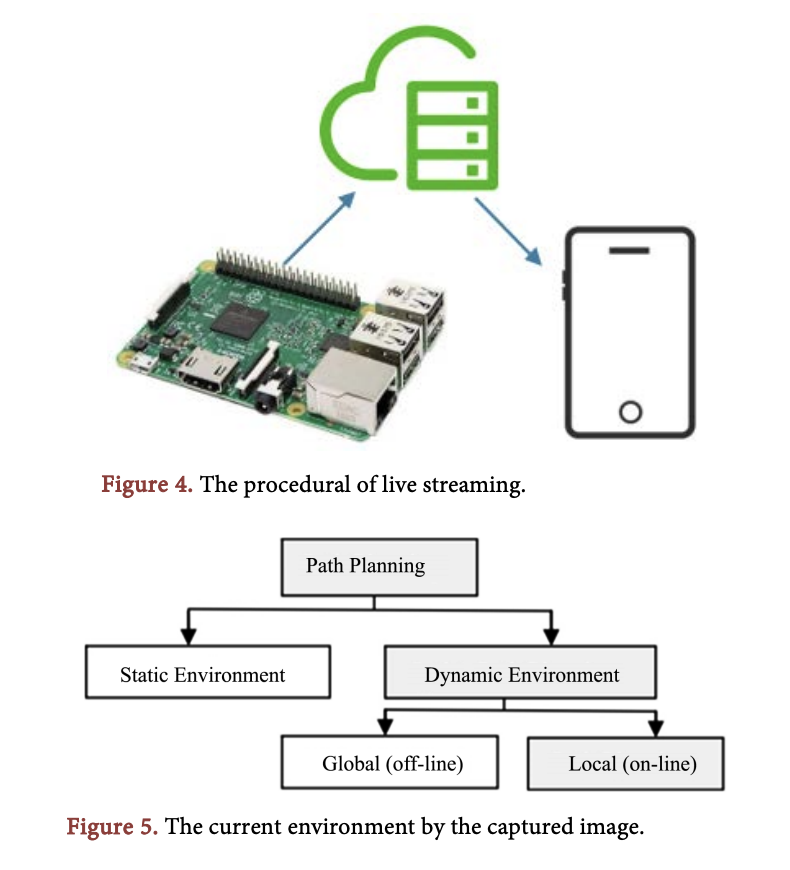
This paper introduces an autonomous robot (AR) cart to execute the last mile delivery task. We use navigation and intelligent avoidance algorithms to plan the path of the automatic robot. When AR encounters a new unrecognizable terrain, it will give control to the customer who can control the AR on its mobile app and navigate to the specified destination. We have initially designed an autonomous delivery robot with the cost of 2774 dollars.

News

2025-11
Honored to receive full sponsorship for PhD studies (USD 64,000 per year for four years) from the Academy of Aspire Intelligence in recognition of transformative research contributions to social welfare and public policy. Grateful for this opportunity to continue advancing interdisciplinary research at the intersection of economics, data science, and AI.
2025-11 / 2026
Excited to attend ICLR 2026, ICASSP 2026, and TMC 2026 for our upcoming papers DRO-InstructZero, Adaptive Virtual Model Control, and LLM-Driven Fuzzy Control for Multi-Robot Systems (under review). Looking forward to connecting with the research community!
2025-02
Presented my paper “The Impact of Medicaid Coverage on Mental Health: Why Insurance Makes People Happier in OHIE—By Spending Less or by Spending More?” at the 8th Global Public Health Conference (GLOBEHEAL 2025), where it received the Best Paper Award. Published in the conference proceedings (DOI).
2022-01
Finalist in the Bain Cup Case Competition, a prestigious consulting strategy challenge hosted by Bain & Company. Honored to be recognized among top-performing teams demonstrating analytical rigor and strategic problem-solving.
2021-01
Named a Regeneron Science Talent Search (STS) Scholar, selected among the top young researchers nationwide. Awarded USD 2,000 personally and an additional USD 2,000 to support my high school’s STEM programs.
2020-06
Ranked 270th globally in Google Code Jam (Round 3)—placing within the top 1,000 out of 30,221 international contestants (ages 16+). A formative experience in algorithmic thinking and competitive programming.
2020-05
Awarded 2nd Place at the 71st Annual Massachusetts Science & Engineering Fair (MSEF) out of ~1,400 research projects. Served as the sole researcher on the project, earning statewide recognition for scientific contribution.
2020-02
Achieved 2nd Place Nationwide in Future Business Leaders of America (FBLA) China with the I-Connect Living business plan, placing among 261 competing teams nationwide.

Contact

annieliy@mit.edu